Yoodley is reader-supported. When you buy through links on our site, we may earn an affiliate commission.
Smart technology is everywhere, promising to make our homes more convenient, efficient and secure. Yet with so many connected devices available, it’s easy to wonder which ones are genuinely useful and which simply add another app to your phone. A refrigerator that tells you the weather might sound impressive, but does it solve a problem you actually have? The most worthwhile smart home upgrades tend to be less flashy. They address everyday frustrations, reduce unnecessary effort and help households run more smoothly. Understanding what these devices can realistically achieve is the first step towards making technology work for you.
Making Home Security More Convenient
Home security is one area where smart technology can offer practical benefits. Traditional locks and basic alarm systems remain important, but connected devices can provide additional ways to monitor entrances and manage access.
For example, forgetting whether you’ve locked the front door can be frustrating, particularly when you’re already halfway to work. Some smart locks allow users to check their status remotely, while others can provide temporary access codes for trusted visitors. These features can be especially useful for busy households where family members arrive home at different times.
A door entry system can also simplify how visitors are managed, particularly in apartment buildings, gated properties and homes with shared entrances. Depending on the equipment, occupants may be able to communicate with visitors before granting access, reducing the need to answer every unexpected knock in person.
However, convenience shouldn’t come at the expense of security. Strong passwords, regular software updates and reliable installation remain essential when introducing connected access equipment.
Reducing Energy Waste Without Sacrificing Comfort
Heating, cooling and lighting account for a considerable amount of household energy use. Smart technology can help reduce unnecessary consumption by making it easier to control when and where energy is used.
Smart thermostats are a good example. Rather than maintaining the same temperature throughout the day, users can create schedules that reflect their routines. Some systems can also respond to occupancy patterns or allow adjustments when plans change unexpectedly.
Smart lighting offers similar flexibility. Motion sensors can prevent lights from being left on in empty rooms, while scheduled settings can help manage outdoor lighting without requiring someone to remember the switch.
These features won’t automatically guarantee lower bills. The potential savings depend on household habits, the efficiency of existing equipment and how the devices are configured. Still, better control can make it easier to identify and reduce avoidable energy use.
For households interested in understanding their consumption, smart plugs with energy-monitoring capabilities may also reveal which appliances are using electricity unnecessarily.
Taking Some of the Work Out of Household Chores
Keeping a home clean and organised takes time, particularly when work, family commitments and other responsibilities compete for attention. While technology can’t eliminate household chores, certain devices can reduce the effort involved.
Robot vacuum cleaners are among the most familiar examples. Many can follow scheduled cleaning routines, navigate around furniture and return to their charging stations without assistance. They’re particularly useful for maintaining floors between more thorough cleaning sessions.
Smart washing machines and dishwashers may offer notifications when cycles finish, helping users avoid leaving laundry sitting in the drum or forgetting to unload clean dishes.
However, more features don’t always mean greater convenience. A complicated appliance that requires constant troubleshooting may create more frustration than it solves.
Before investing, consider which tasks regularly take up your time. A straightforward device that addresses one persistent inconvenience may offer better value than an expensive system packed with functions you’ll rarely use.
Catching Household Problems Before They Become Expensive
Some of the most useful smart devices are designed to alert homeowners to problems they might otherwise discover too late.
Water leak detectors, for instance, can be placed near washing machines, water heaters or vulnerable plumbing connections. When moisture is detected, compatible devices can send an alert, allowing homeowners to investigate before a small leak develops into more extensive damage.
Connected smoke alarms and carbon monoxide detectors may also provide remote notifications, although they must meet appropriate safety standards and should never replace proper installation or regular testing.
Temperature and humidity sensors can be useful in rooms prone to condensation. By identifying persistent moisture problems, homeowners may be better placed to investigate ventilation issues before mould becomes established.
These devices don’t remove the need for maintenance. A sensor can identify a warning sign, but someone still needs to respond appropriately. Their main advantage is providing information sooner, when intervention may be simpler and less expensive.
Making Daily Routines Less Complicated
One of the biggest attractions of smart home technology is the ability to automate small, repetitive tasks.
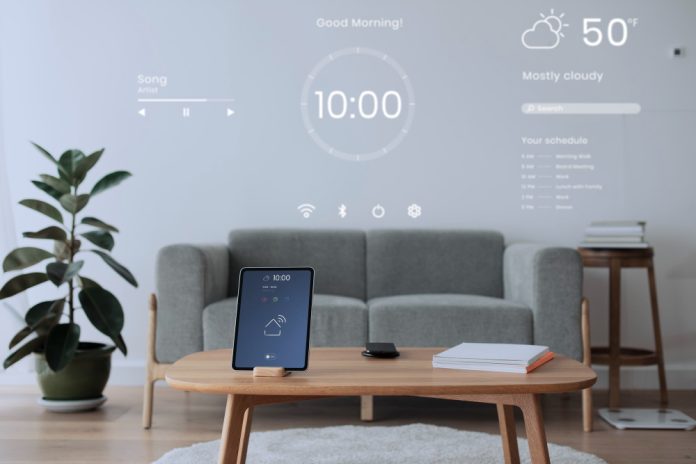
Consider a typical weekday morning. Lights might gradually brighten before your alarm sounds, the heating could adjust to a comfortable temperature, and a connected coffee maker might begin preparing your first drink.
These routines aren’t essential, but they can make busy mornings feel less rushed. Similar automations can help in the evening, such as dimming lights, adjusting temperatures or switching off selected devices before bedtime.
Voice assistants can also provide useful accessibility benefits. People with limited mobility may find it easier to operate lighting, entertainment equipment or compatible household devices using spoken commands.
However, automation should remain flexible. Households don’t always follow predictable schedules, so it’s worth choosing systems that allow easy manual adjustments rather than making simple tasks unnecessarily complicated.
Choosing Technology That Works for Your Household
With so many products competing for attention, it’s sensible to approach smart home upgrades with a clear idea of what you want to improve.
Start by identifying recurring problems. Are you regularly wasting energy? Do deliveries create difficulties? Is cleaning taking up too much time? Once you’ve identified a genuine need, compare devices based on reliability, compatibility and ongoing costs rather than impressive marketing claims.
Privacy deserves attention too. Connected products may collect information about household routines, device usage or activity around the property. Reviewing privacy settings, choosing reputable manufacturers and understanding how information is stored can help reduce unnecessary exposure.
It’s also worth checking whether equipment will continue functioning if your internet connection fails. Essential features such as locks and alarms should have appropriate backup arrangements.
Smart technology works best when it makes ordinary life easier without demanding constant attention. You don’t need to automate every room or purchase the latest devices to benefit. A handful of carefully chosen upgrades can improve comfort, strengthen everyday security and remove frustrations that previously seemed unavoidable. The goal isn’t to create the most technologically advanced home on the street. It’s to create one that works better for the people living in it.